Used Bakkies: A Complete Guide to Choosing the Right One
Bakkies are popular vehicles for both personal and business use. They can handle everyday driving while also providing practical load-carrying capabilities.
However, buying a used bakkie requires careful consideration. Buyers need to look beyond the appearance and advertised price. The vehicle’s condition, history, mileage and intended use all matter.
With so many models available, choosing the right bakkie can feel difficult. Therefore, understanding what to look for can help you compare your options more confidently.
By OMC Motors, South Africa
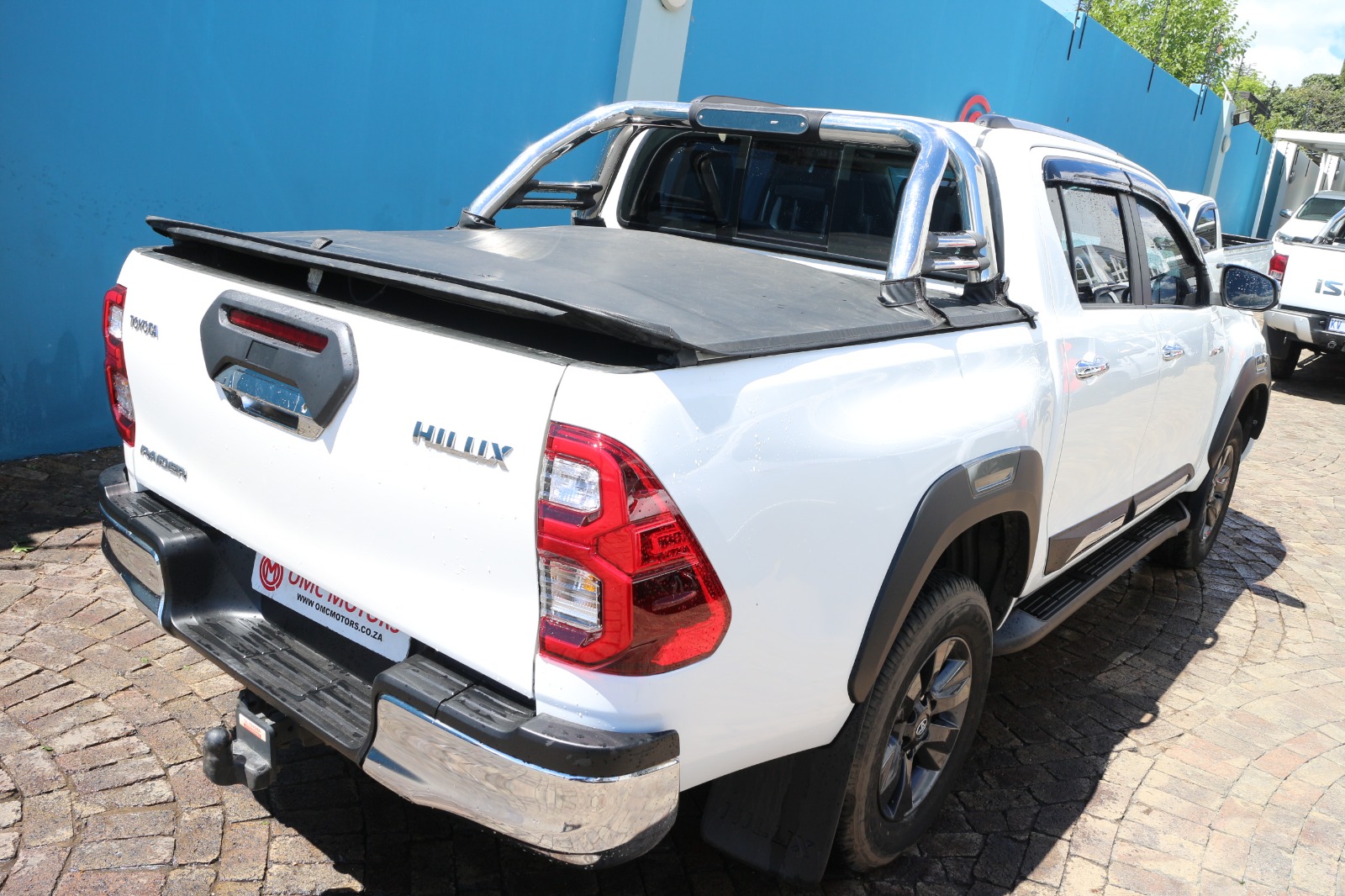

Why Are Used Bakkies Popular?
Used bakkies can provide versatility for different types of drivers. Many people use them for work, business, outdoor activities and everyday transportation.
Their load beds make them practical for carrying equipment and goods. Some models also offer features that make them comfortable for longer journeys.
Furthermore, buying a used bakkie can give buyers access to different models and specifications within their budget. However, the vehicle’s condition remains an important consideration.
Decide How You Will Use the Bakkie
Before searching for used bakkies, identify how you plan to use the vehicle. Your intended use should influence the type of bakkie you choose.
For example, a business that transports equipment may need a strong load-carrying capability. A private buyer may prioritise comfort, fuel economy and technology.
If you regularly tow trailers, towing capability will also matter. Meanwhile, buyers who travel on rough roads may need to consider ground clearance and drivetrain options.
Consider the Payload Requirement
Payload refers to the weight a vehicle can safely carry. Different bakkies have different payload capacities.
Therefore, you should understand how much weight you normally transport. Choosing a vehicle with insufficient capacity can create practical problems.
You should also avoid assuming that every large bakkie can carry the same load. Check the manufacturer’s specifications for the specific model before purchasing.
Check the Vehicle's Exterior
The exterior can provide clues about how a used bakkie was treated. Start by inspecting the body panels, paintwork and load bed.
Look for dents, scratches, rust and signs of previous repairs. Pay particular attention to areas that may have experienced heavy use.
Also inspect the tyres and wheels. Uneven tyre wear may indicate alignment, suspension or other mechanical issues. A professional inspection can provide additional information.
Inspect the Engine and Mechanical Components
The mechanical condition of a used bakkie deserves careful attention. Check for visible oil leaks, damaged components or unusual signs around the engine bay.
During a test drive, pay attention to unusual noises, vibrations and warning lights. Also check how the vehicle accelerates, brakes and changes gears.
However, a test drive cannot replace a professional inspection. If possible, have the vehicle assessed by a qualified technician before completing the purchase.
Review the Service History
A service history can help you understand how the vehicle was maintained. Ask whether service records are available and review them carefully.
Regular maintenance can help identify whether the previous owner followed recommended service intervals. It may also provide useful information about previous repairs.
In addition, compare the recorded mileage with the vehicle’s condition and available documentation. Consistent records can make it easier to understand the vehicle’s history.
Mileage Is Important, But It Is Not Everything
Mileage is one of the first details buyers often consider. However, it should not be the only factor influencing your decision.
A bakkie with higher mileage may have been maintained properly. Meanwhile, a lower-mileage vehicle could still have experienced demanding use.
Therefore, consider mileage together with service history, mechanical condition, previous usage and overall maintenance. This provides a more complete picture.
Think About Fuel Consumption
Fuel costs can become a major part of vehicle ownership. Therefore, consider the bakkie’s expected fuel consumption before buying.
Your driving pattern will also affect your fuel costs. Frequent city driving can produce different results from long-distance highway driving.
Compare models based on your actual usage. A vehicle that fits your budget initially may become expensive to operate if its running costs are too high.
Check the Interior and Features
A used bakkie’s interior can also reveal how the vehicle was used. Inspect the seats, dashboard, controls, carpets and other interior components.
Check that important features operate correctly. These may include air conditioning, infotainment systems, electric windows, central locking and dashboard controls.
A clean and well-maintained interior can improve your ownership experience. However, cosmetic condition should still be considered alongside mechanical condition.
Think About Your Finance Options
Once you identify a suitable vehicle, consider how you will finance the purchase. Your finance structure can affect your monthly budget.
Look at the deposit, interest rate, repayment period and monthly instalment. Also understand whether the agreement includes a balloon payment.
Avoid choosing a vehicle based solely on the monthly repayment. Consider the complete cost of ownership, including insurance, fuel, maintenance and licensing.
Why Vehicle History Matters
Vehicle history can provide important information about previous ownership and use. Depending on the available records, you may learn more about servicing, repairs and other events.
Ask relevant questions before purchasing. If documentation is unavailable, consider whether you can obtain sufficient information through an appropriate vehicle check.
Taking time to investigate the vehicle can help you avoid unexpected issues later.
Find Used Bakkies at OMC Motors
If you are searching for used bakkies, OMC Motors provides access to a range of pre-owned vehicles.
You can compare available options based on your requirements and budget. Consider each vehicle’s specifications, condition and suitability for your intended use.
Whether you need a bakkie for business, work or personal driving, start by identifying your priorities. Then compare vehicles carefully before making your final choice.
Final Thoughts
Buying used bakkies requires more than choosing the model you like. You should consider the vehicle’s condition, history, specifications and running costs.
Most importantly, match the bakkie to your actual requirements. Think about payload, towing, fuel consumption, driving conditions and maintenance.
A careful buying process can help you find a used bakkie that suits your needs and budget. Explore the available vehicles at OMC Motors and take the next step towards your purchase.
Looking To Buy A Used Car? Get In Touch With Us Now!
Frequently Asked Questions
What should I check when buying used bakkies?
Check the body, tyres, engine, interior, service history, mileage and overall mechanical condition.
Does mileage matter when buying a used bakkie?
Yes, but mileage should be considered alongside service history, condition and previous usage.
Are used bakkies suitable for business use?
Yes. Bakkies can support businesses that need to transport tools, equipment, materials or other goods.
What is payload capacity?
Payload capacity is the maximum weight a vehicle can safely carry. Always check the manufacturer’s specifications.
Can I finance a used bakkie?
Finance availability depends on the vehicle, lender requirements and your finance application. Discuss your options with the dealership or finance provider.
 Chat with our Sales Consultants